
Find the Truth: How Mindfulness Shines a Light on Depression’s Lies
Consider that about one in six adults experience depression in their lives and up to 80 percent of them may relapse after treatment. How can those impacted get help?

Consider that about one in six adults experience depression in their lives and up to 80 percent of them may relapse after treatment. How can those impacted get help?

We all experience feelings of sadness and grief from time to time, but major depressive disorder is a diagnosable and serious medical condition.

This psychological intervention blends two complementary approaches: acceptance and mindfulness strategies and commitment and behavior change strategies.

Today, mental illnesses are at last beginning to be recognized for what they truly are: illnesses. Neither having nor seeking help for clinical depression should be thought of as a sign of personal weakness.
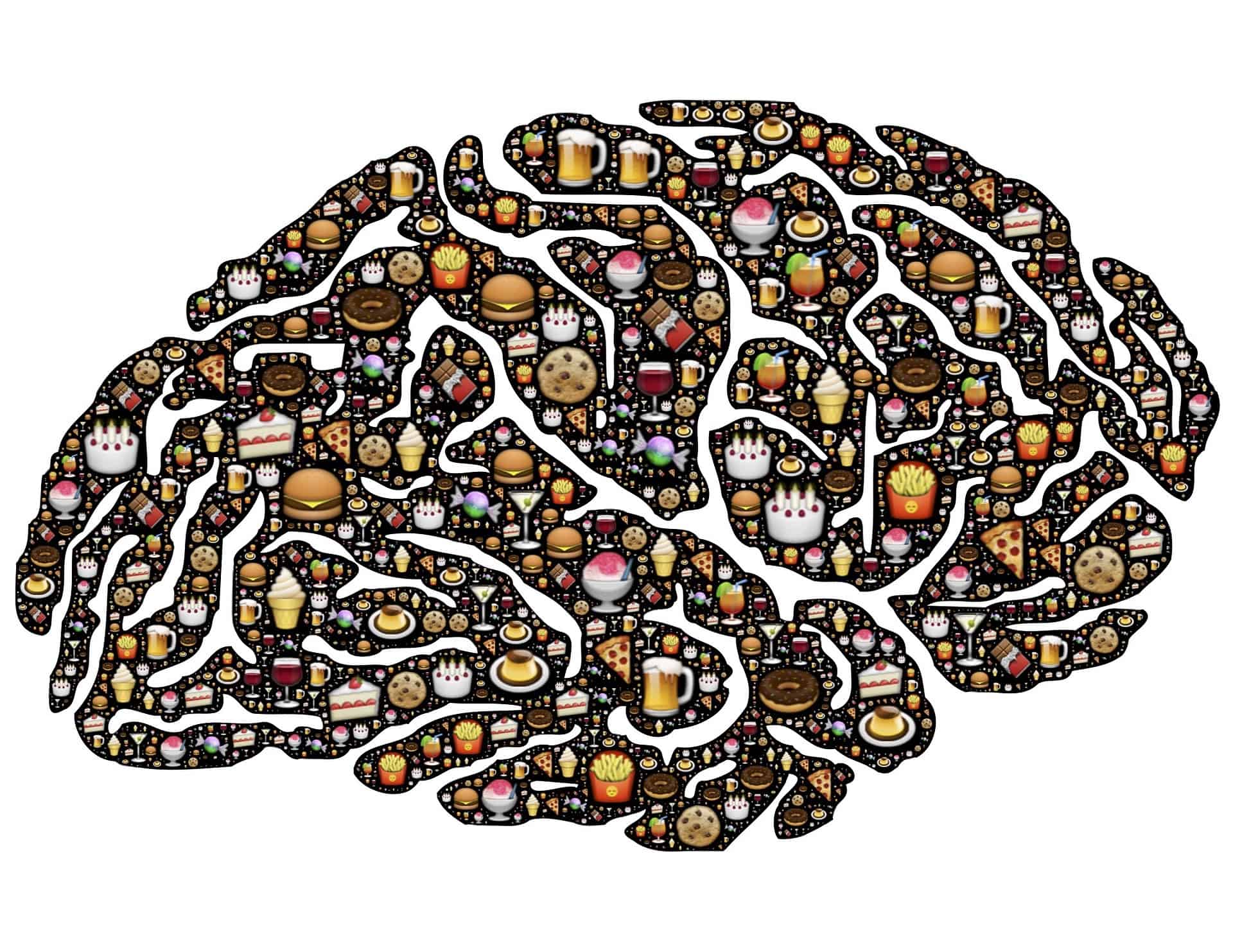
In what should come as a surprise to few, the modern industrial food production systems fails to provide adequate nutritional support for your brain's basic functioning, including mood regulation.

I loved reading this article from a very competent grief therapist in this ongoing New York Times series on therapy.